Classics
In the Classics department, we offer students the opportunity to gain an understanding and appreciation of western culture from their study of the ancient world, and to witness the legacy of their classical heritage.
All Senior School students have the option of studying Latin in Upper 3 (Year 7) and may choose to continue to Upper 4 (Year 9), covering the basic and intermediate elements of the language. The study of Latin is an important foundation for the understanding of grammatical structure, and an invaluable support for the learning of both Modern Foreign Languages and English. Latin also develops logical thinking, problem-solving and analytical skills.
In some years, Classical Civilisation is also offered at Upper 4 (Year 9) and girls can study Classical Greek as an activity if they would like to do so. The culture and history of the classical world is studied with reference to the role of ancient women, the lives of the Roman Emperors and the homes of the Ancient Greeks.
From the role of women in ancient Rome and the nature of marriage in Roman society to the study of the character of the Emperor Nero, Latin involves discussion, analysis and the translation of original ancient texts. The first three years of Latin at Key Stage 3 are the foundation for the GCSE course. We continue to develop language skills, grammatical understanding and vocabulary knowledge through translation and comprehension work. Further aims of the course are to read and appreciate some of the literature in the original language and to acquire a wider understanding of the life, history and customs of the Roman people and their contribution to the culture of Europe.
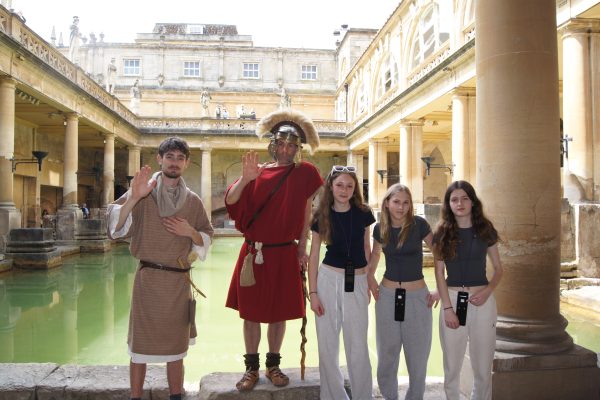
This course is becoming increasingly popular both at school and university level and offers a variety of topics from the Ancient Greek and Roman world. You will be expected to study each topic in detail with special reference to selected texts and, since the material is all in English, you can explore the topics in depth and will have the opportunity to relate various works of literature to their social and cultural contexts. You will be encouraged to appreciate literary technique, to collect relevant evidence and to develop and present arguments based on your findings. The course is not only literary but also involves the appreciation of social values and an understanding of both the historical and archaeological background. By the end of the course you will be able to appreciate distinctive Ancient Greek and Roman ways of thought and feeling. The course also involves the aesthetic appreciation of works of art. As well as studying art and literature in school there will be opportunities to attend performances of Greek plays and to visit museums in which material remains from the Ancient World are on display.
Where next?