Music
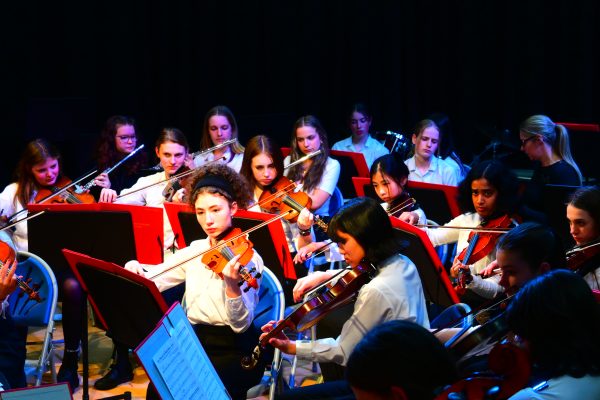
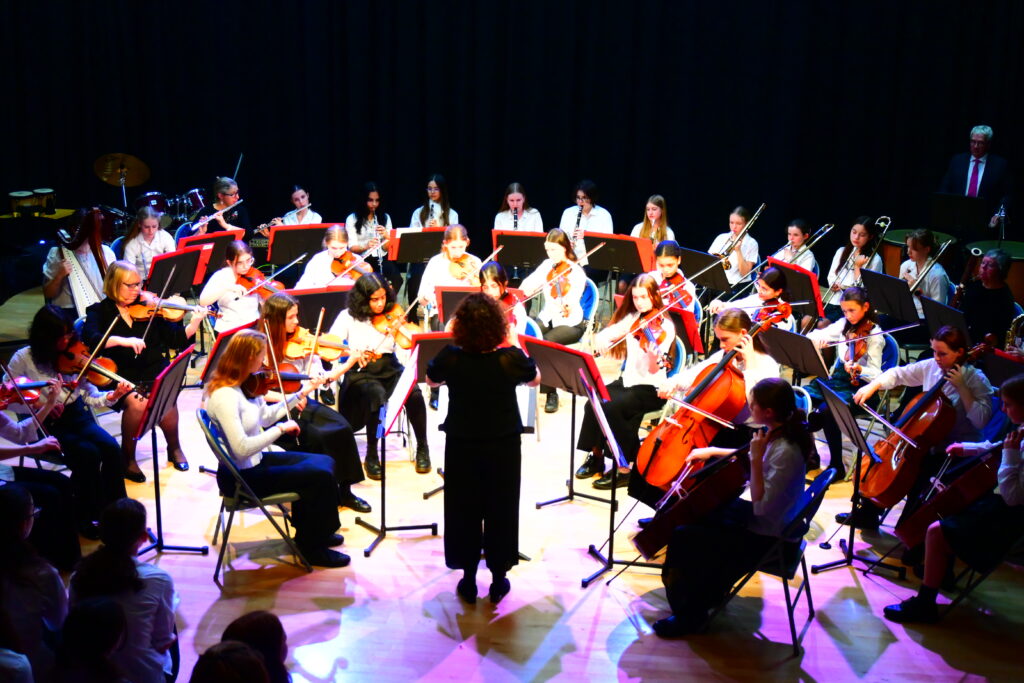
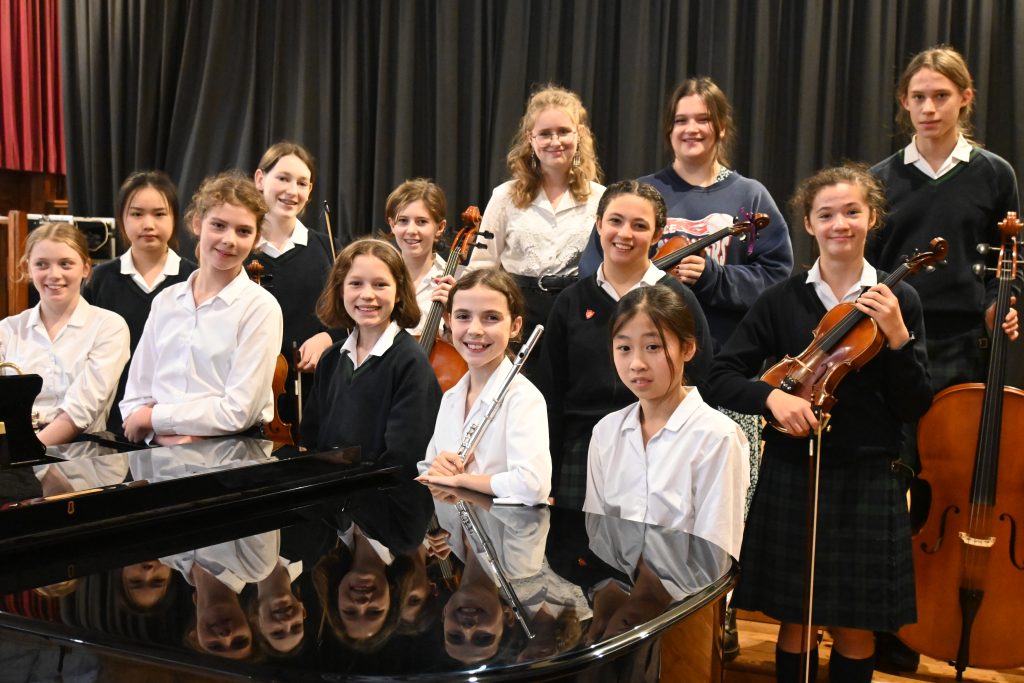
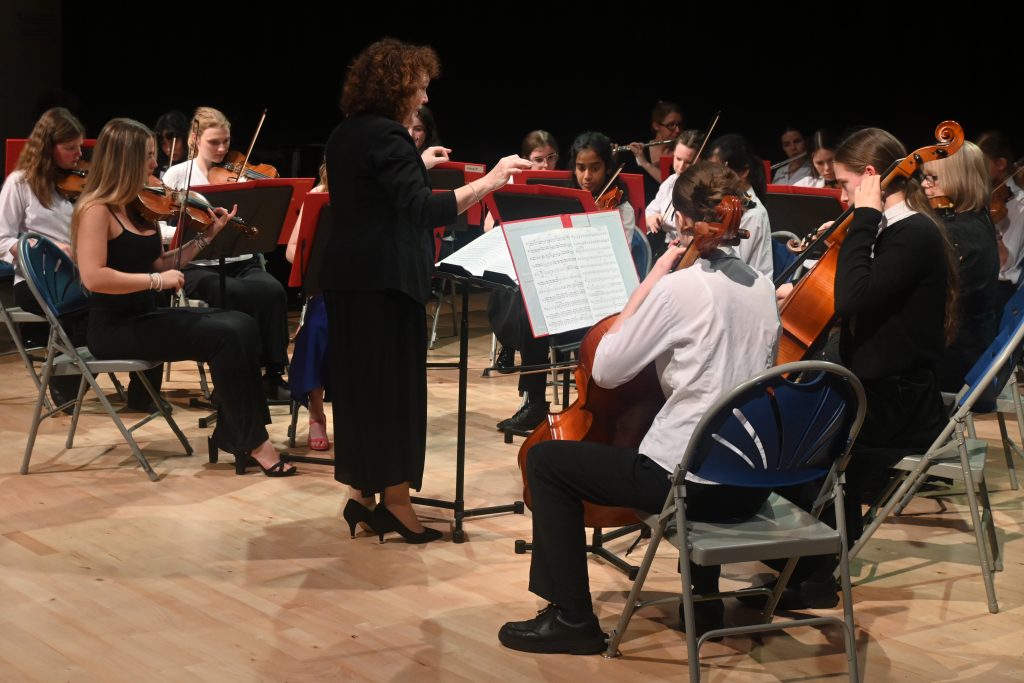
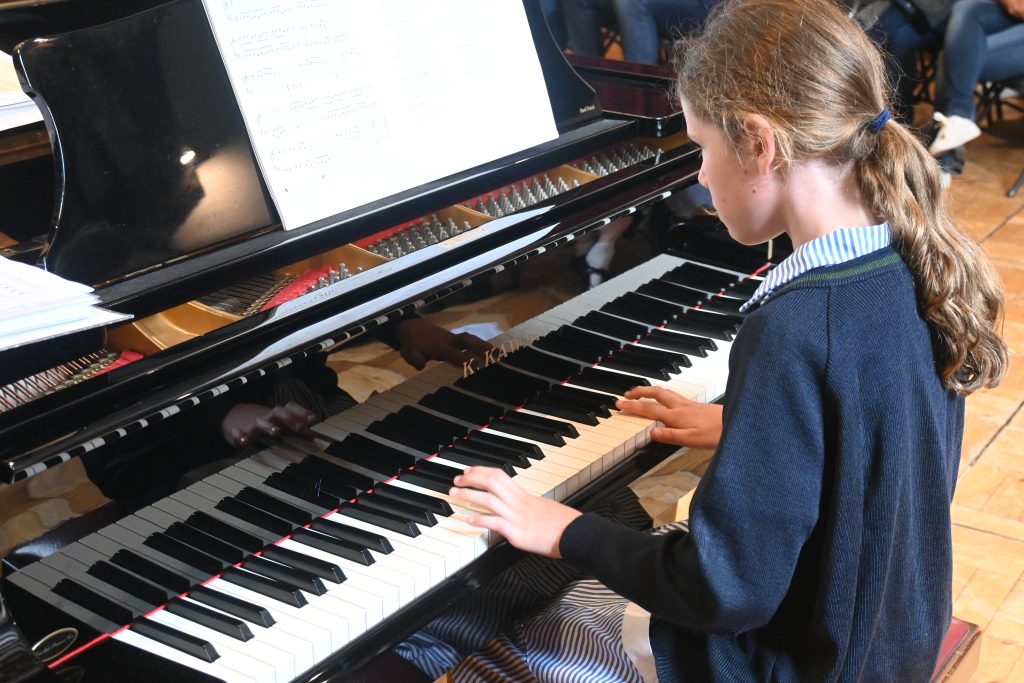
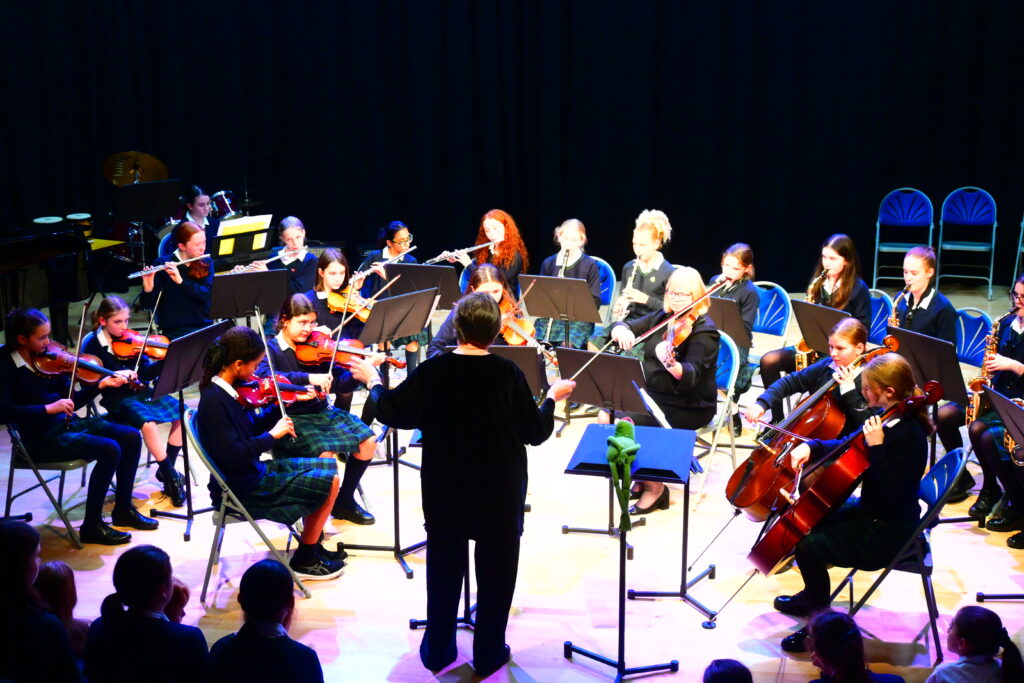
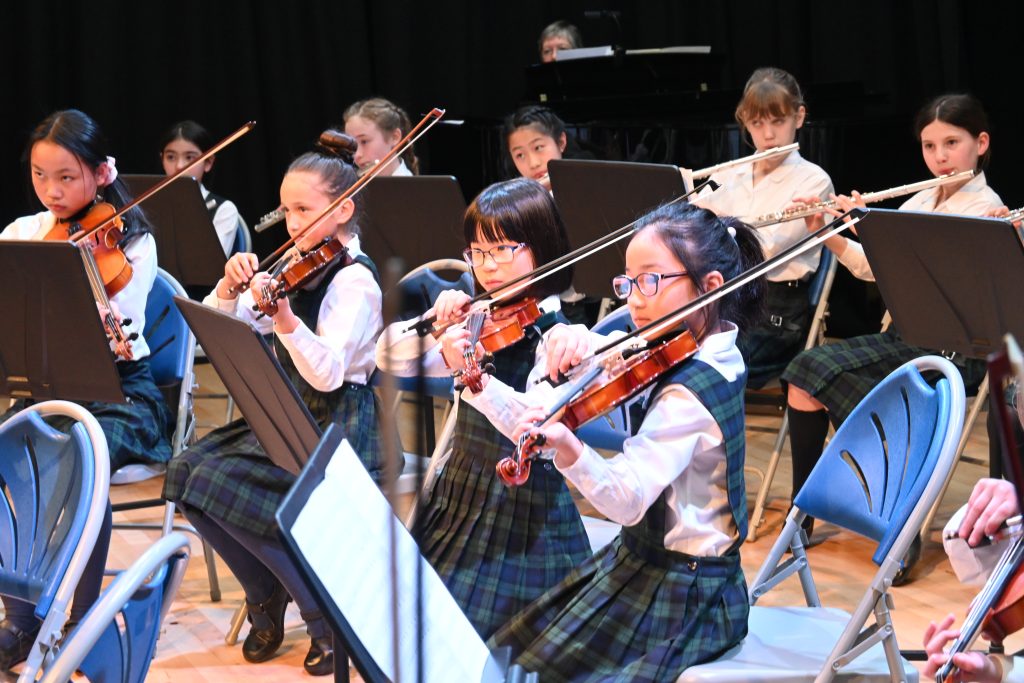
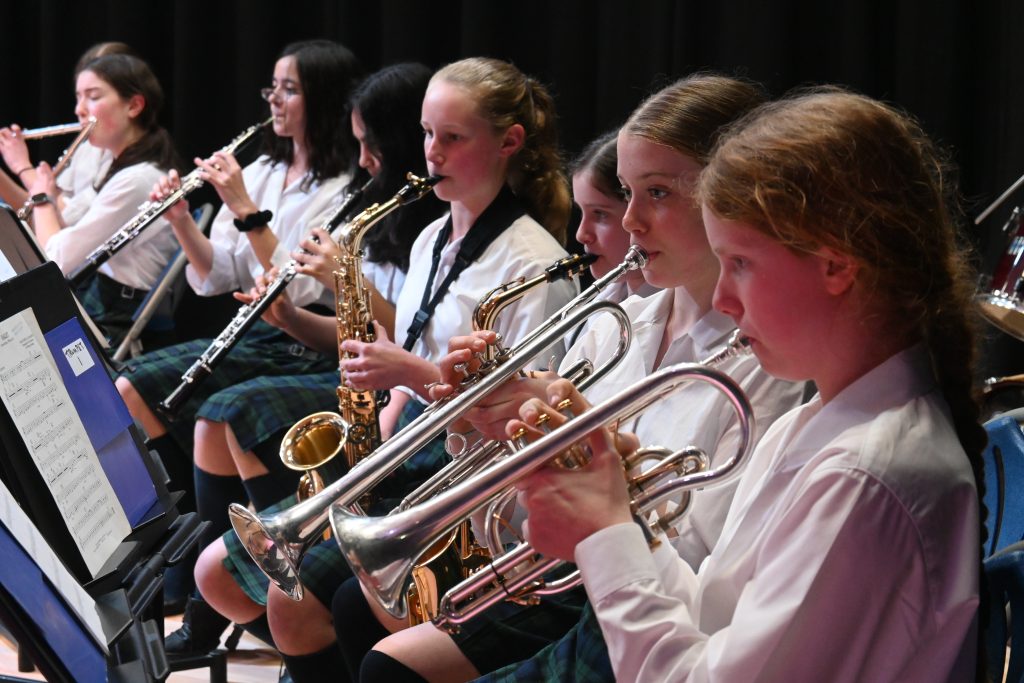
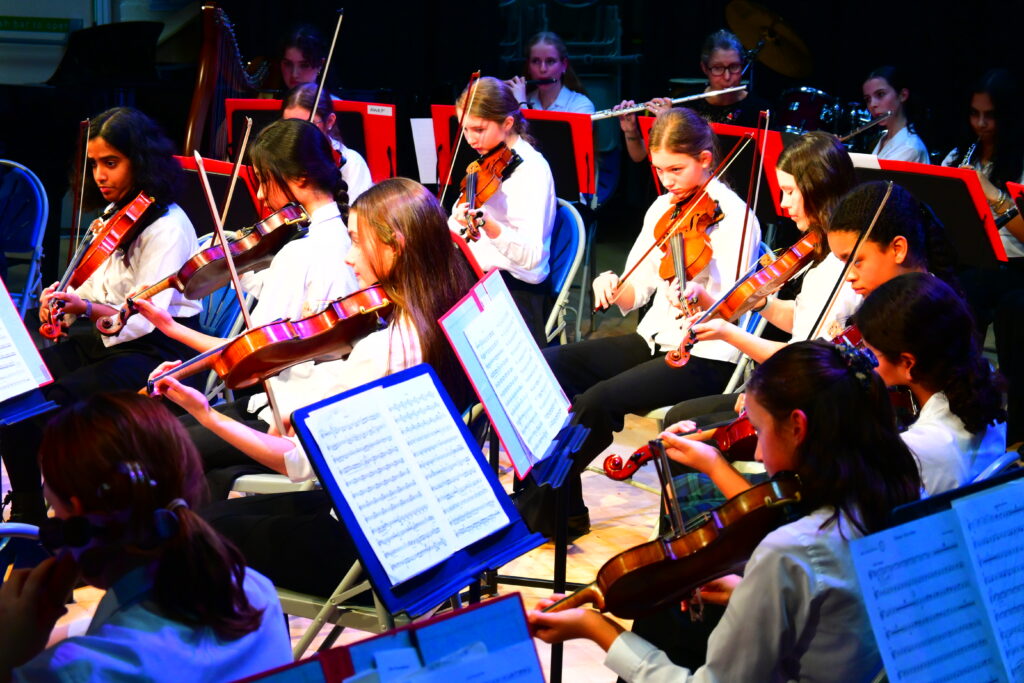
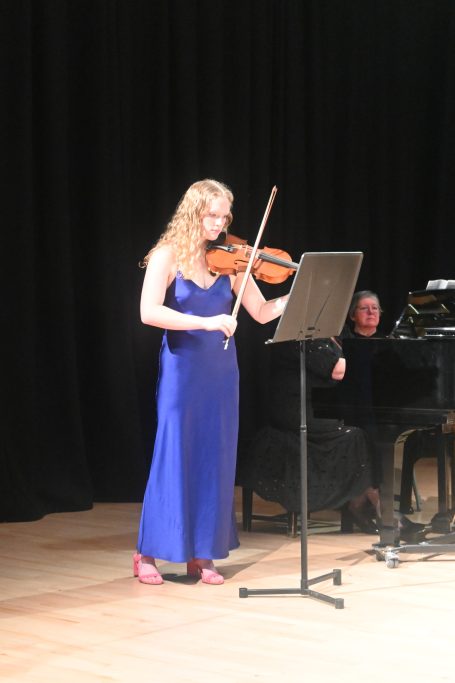
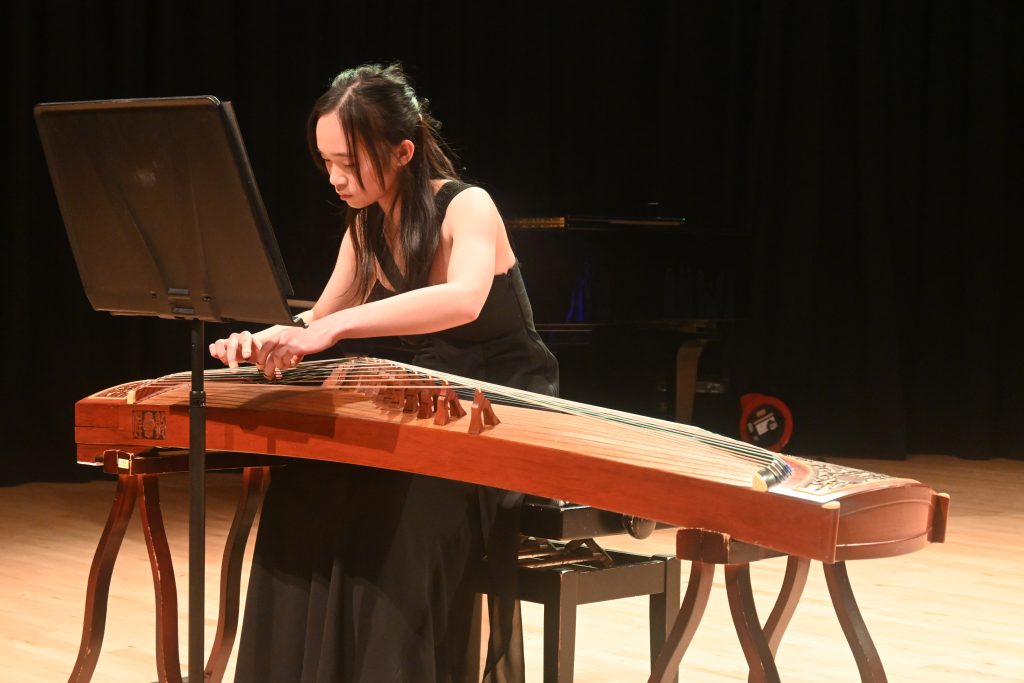
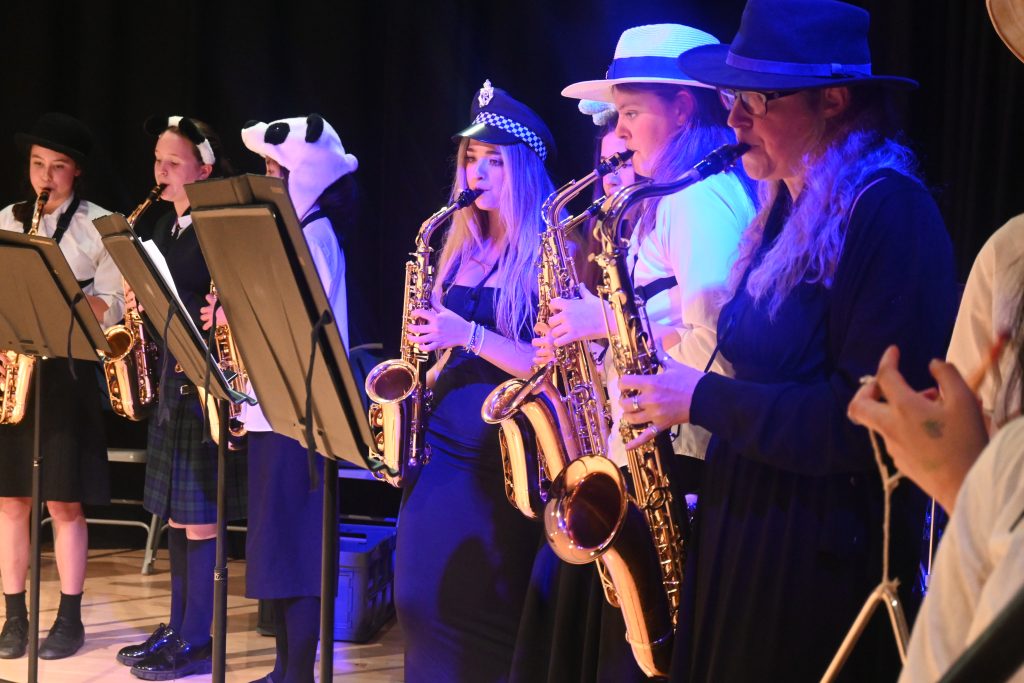
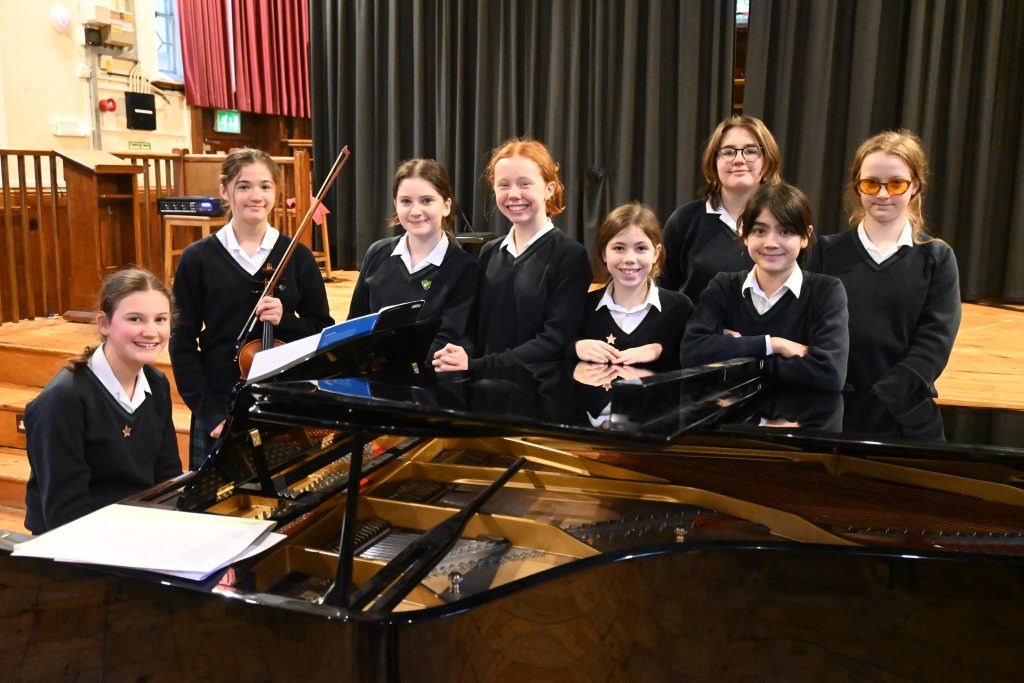
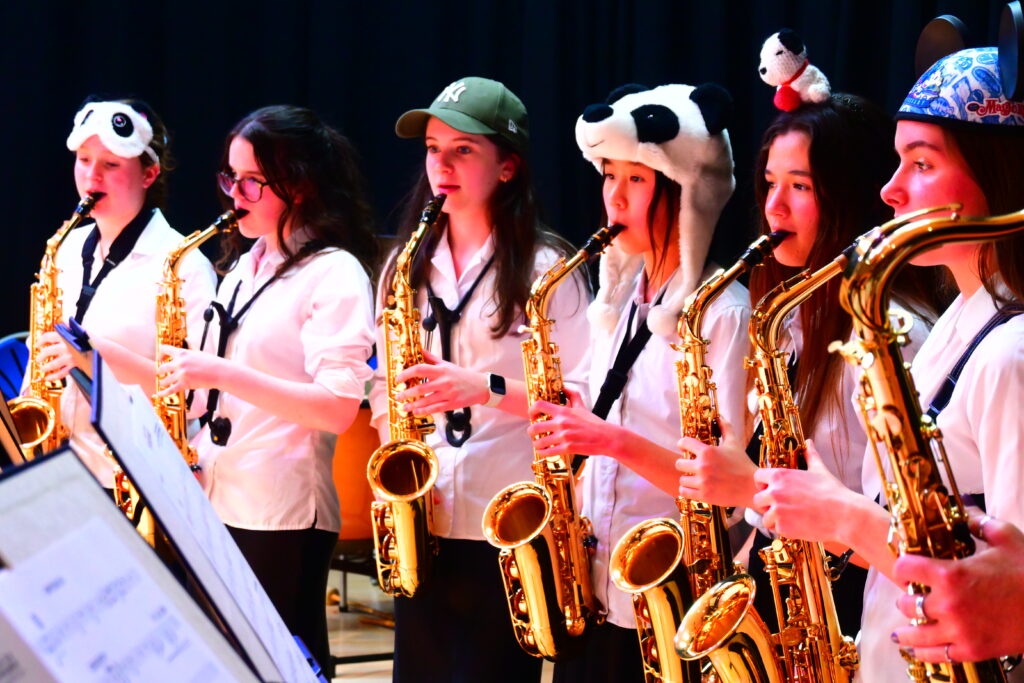
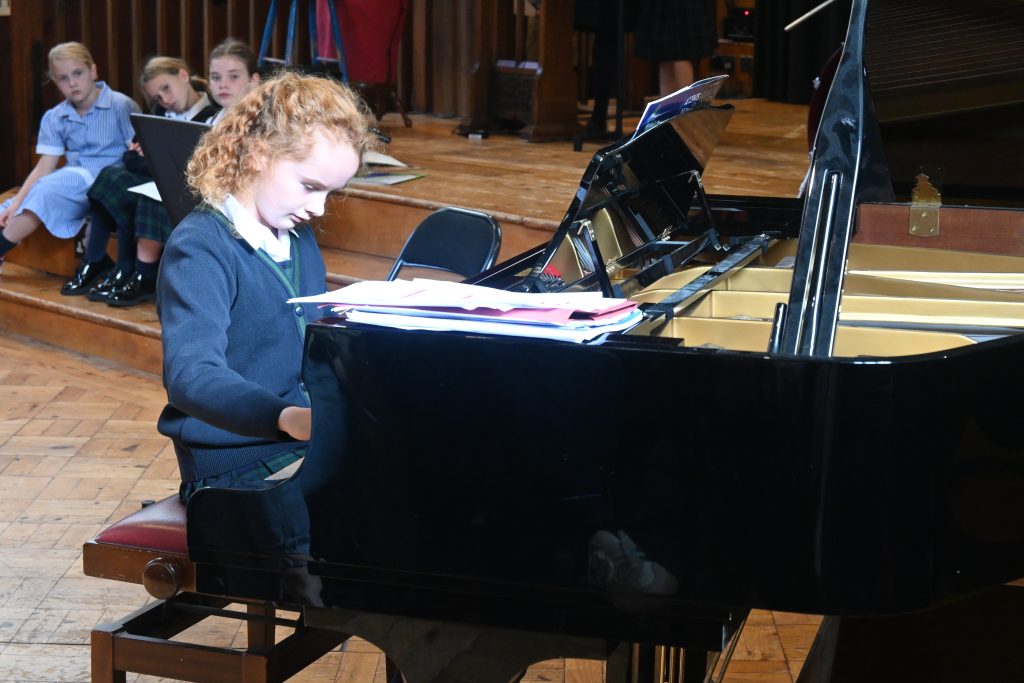
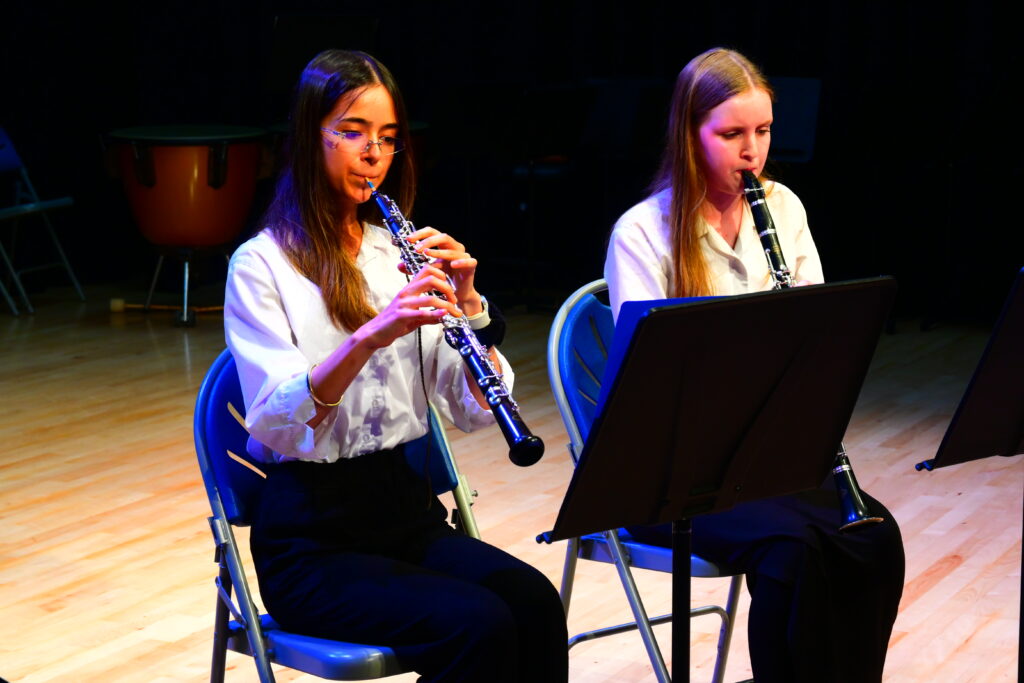
The Department runs a wide range of ensembles for musicians of all abilities. Our main musical activities are Orchestra, Chamber Orchestra, String Band, Wind Band, Senior Choir, Middle School Choir, Chamber Choir, Flute Choir, Chamber Ensembles, Jazz Band and Junior Orchestra. These groups rehearse on a weekly basis either in the lunch time or after school, and perform in our regular series of school concerts and charity events. In recent years the girls have performed at Cardiff Millennium Centre, where their performance was streamed live on the internet, sung Evensong at Exeter Cathedral, taken part in a song-writing workshop with Grammy Award winner Jonathan Joseph and taken part in a British Council project Britten and Beyond, working in partnership with The Jerusalem Academy of Music and Dance. Other exciting opportunities have included a music tour to Venice, singing for HRH The Earl of Wessex, working with a production team from the Royal Opera House on the opera ‘Tarka the Otter’ and joining the Drama Department to put on sell out musicals at the Barnfield Theatre.
In Reception, music lessons focus on building confidence in group singing and exploring the difference between beat and rhythm. Children use untuned percussion to create and compose music, while enjoying songs from nursery rhymes to new pieces. Above all, lessons highlight the joy and lifelong skills music can bring.
In Year 1, pupils deepen their understanding of beat, rhythm, and duration, while exploring dynamics such as volume and speed. They gain confidence using percussion, begin composing with rhythm notation, and are introduced to tuned instruments. Lessons include singing and listening to a wide range of music, from festivals and shows to pieces from around the world. Many children also take up individual lessons at this stage, with options including toot (mini flute), piano, singing, and violin.
By Year 2, pupils use key vocabulary such as tempo and dynamics to talk about music. They study Romantic-era programme music, exploring how sound creates mood and feeling. The Glockenspiel is introduced, helping children understand tuning, and every lesson includes singing – we love using actions at this stage. Many pupils choose to learn an instrument, with toot, PBone (mini trombone), piano, singing, and violin all available.
In Year 3, music lessons introduce theory, starting with rhythm reading and notation. Pupils learn the recorder as a whole class, performing together as an ensemble. Listening focuses on the Baroque era, world music, and later Holst’s Planets. Singing in rounds and canons develops musical ears, while composing an ostinato builds creativity. By the end of Year 3, pupils can read rhythm notation confidently.
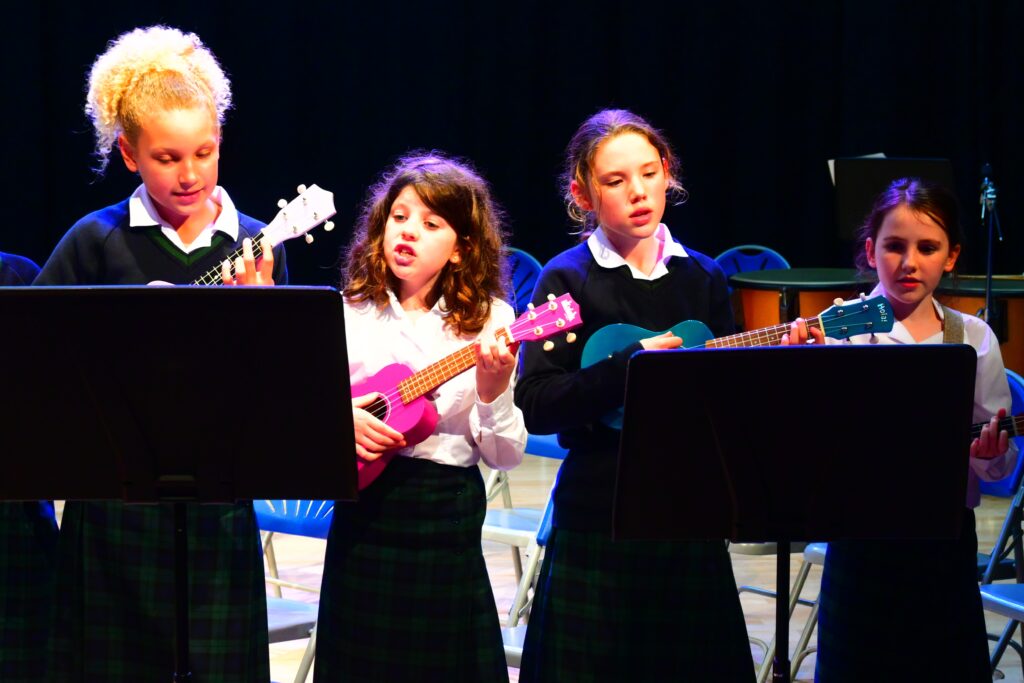
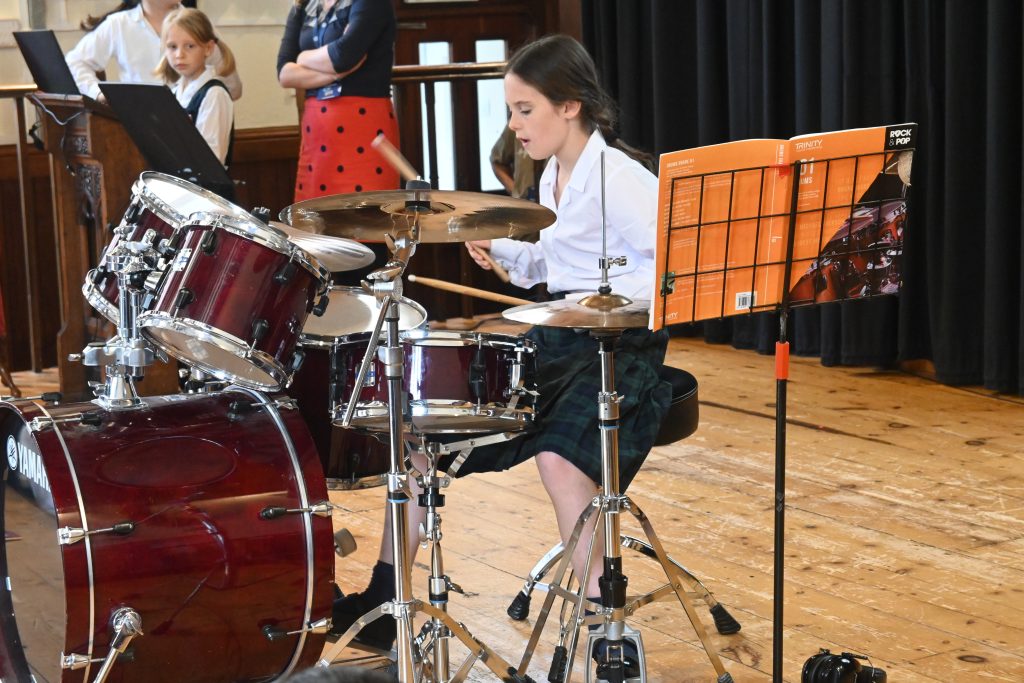
Year 4 begins with rock school drumming (using chopsticks on chairs, so not too loud!) before moving on to ukulele, learning chords, charts, and tablature. Pupils also explore keyboard basics, leading to a ternary form composition. They prepare for concerts and events throughout the year, building confidence in both group and solo performances. Music appreciation includes Schubert, Mozart, and pop music from the 1960s to today.
The focus in Year 5 is ensemble work and learning how to be a band. Pupils study keyboard, sing sea shanties in small groups, and form pop bands in the spring. They explore chords, guitar, ukulele, drum beats, and song writing, including recording their own pieces. Alongside formal lessons, they perform at concerts, showcases, and in the community, including visits to a local care home.
In Year 6, pupils consolidate skills and prepare for Senior music. They play keyboard two-handed, improvise blues melodies, and compose music for a short film. Lessons also build advanced music vocabulary to describe and analyse sound. Pupils perform regularly in concerts and community events, gaining confidence as musicians ready for the next stage.
Students have the opportunity to perform, compose and listen in their weekly hour long lesson. A broad range of topics are studied, including music from different eras and cultures (blues, African drums, Minimalism, soundtracks). Everyone is given the opportunity to play an instrument in class and we also have a set of iPads, which girls use to create their own music on Garageband. It is a time for students to develop their fine motor skills and creativity and make some noise in the school day!
GCSE Music offers students the opportunity to not only perform and create their own music but also to listen to a wide variety of musical styles, ranging from classical and world music to musicals and popular genres. This course balances practical music-making with listening and understanding and students will enjoy discovering what makes a piece of music unique and gets your toes tapping!
The Music A-level course offers a solid musical foundation, requiring performing, composing, listening and analytical skills in almost equal measure; there is considerable scope for the development of the individual’s special talents. Students improve their skills in performing and composing in a range of styles. Classes listen to a wide variety of music and develop a more informed appreciation of how and why it was written and/or performed. Sixth Form Music students are encouraged to take some responsibility for music within the school, participating in activities and taking the lead whenever possible.
Meet Miss Blackwell, Head of Music
Miss Blackwell is a dedicated and inspiring music teacher with a deep passion for nurturing the musical talents of her students. With years of experience in music education, she is committed to creating a supportive and engaging environment where learners of all ages and abilities can thrive. Miss Blackwell believes in the transformative power of music and works tirelessly to help her students discover their potential. Her teaching approach emphasizes both technical skill and personal expression, encouraging each student to grow in confidence and creativity.
In addition to her individual instruction, she is the driving force behind a diverse range of musical ensembles. From beginner groups to advanced ensembles, she ensures there are opportunities for everyone to participate, collaborate, and perform. Her ensembles not only build musical skills but also foster teamwork, discipline, and a strong sense of community.
She is proud to work alongside a fantastic team of highly skilled visiting music teachers, whose expertise enriches the learning experience and offers students access to a broad and dynamic musical education.
Where next?